
10 Books Every Christian Should Read (Besides the Bible)
“Behold, I send you forth as sheep in the midst of wolves. Therefore be shrewd as serpents and innocent as doves.” — Matthew 10:16 (BLB)
Most Christians have reduced the Bible to a comfort book.
Read a verse. Stay calm. Be nice. Wait for the rapture, or death, whichever comes first. Either way, do not engage. Do not study anything that feels worldly. Do not ask how power works. Do not understand the system you are living inside.
That is not holiness. That is not biblical. That is not even harmless.
A Christian who is ignorant of how this world works, how power moves, how strategy operates, how men and institutions actually behave, is not set apart. He is exposed. He is the third servant. The one who buried the talent in the ground and called it faithfulness.
The Master did not call it faithfulness.
Wise as serpents. Innocent as doves. That is the command. Not one or the other. Both. In that order.
This list is not self-help. It is not a devotional shelf. It is a curriculum for the Christian who is done being useful to the enemy through ignorance.
Ten books. Read them all.
1. Josephus — Antiquities of the Jews
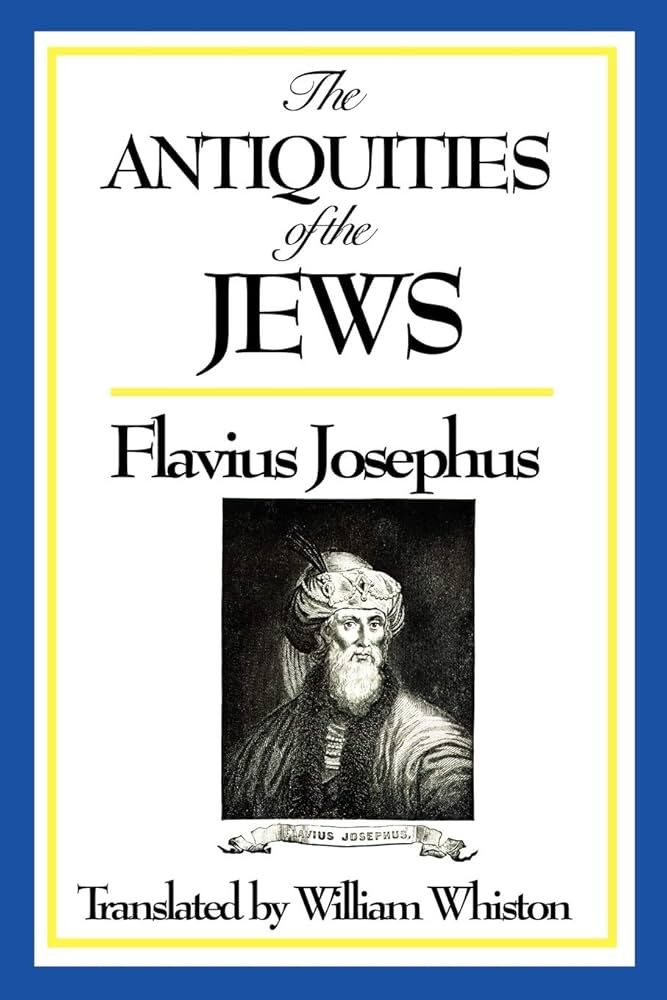
Before strategy. Before doctrine. Know the ground.
Josephus is a first-century Jewish historian writing inside the world the apostles walked through. He gives you the political machinery behind the Pharisees, the weight of Roman occupation on every conversation Jesus had, the texture of what “Caesar” meant when someone said it out loud.
Most Western Christians read the Gospels floating in theological space. Josephus puts them back on the ground. The text gains mass when you know the soil it landed in.
2. Machiavelli — The Prince
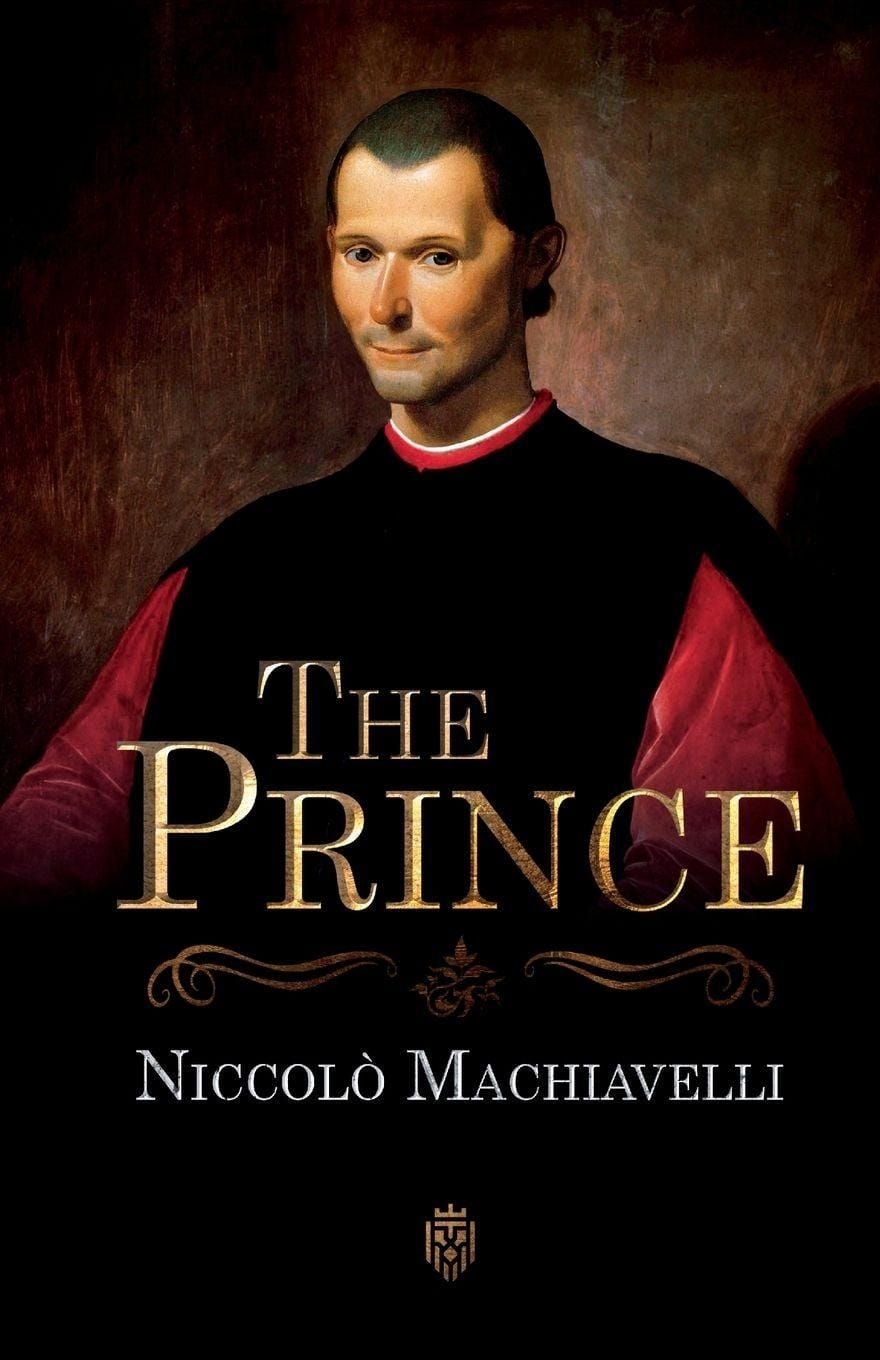
This book is about how power moves, and the men running institutions that shape your life have read it. Some of them memorized it.
Machiavelli does not tell you what power should do. He tells you what it does. Not wisdom to imitate. It is a map to carry. You cannot navigate terrain you refuse to look at.
Christ sent you into the world, not out of it. Know the world.
3. Sun Tzu — The Art of War
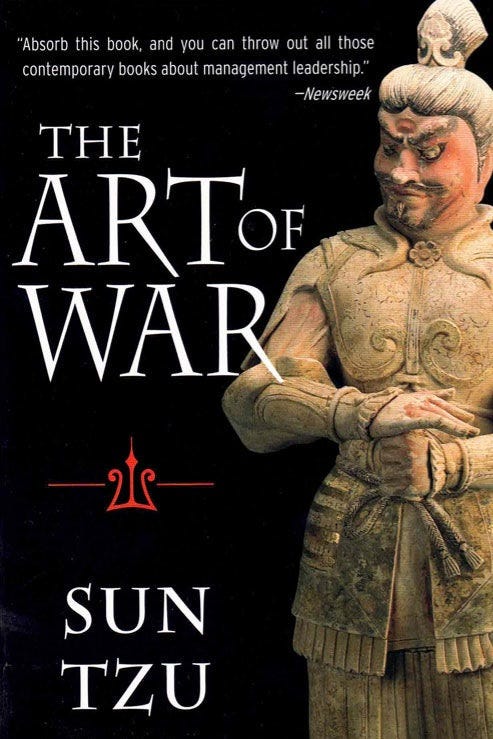
Every engagement has rules whether you know them or not.
Sun Tzu codified them twenty-five centuries ago and nothing has changed. Conflict has a grammar. Knowing it does not make you violent. It makes you literate. The man who does not understand positioning, timing, and the cost of prolonged conflict will lose fights he never had to enter.
Wisdom is not passivity. Wisdom is knowing when to move and when to stay silent.
4. Athanasius — On the Incarnation
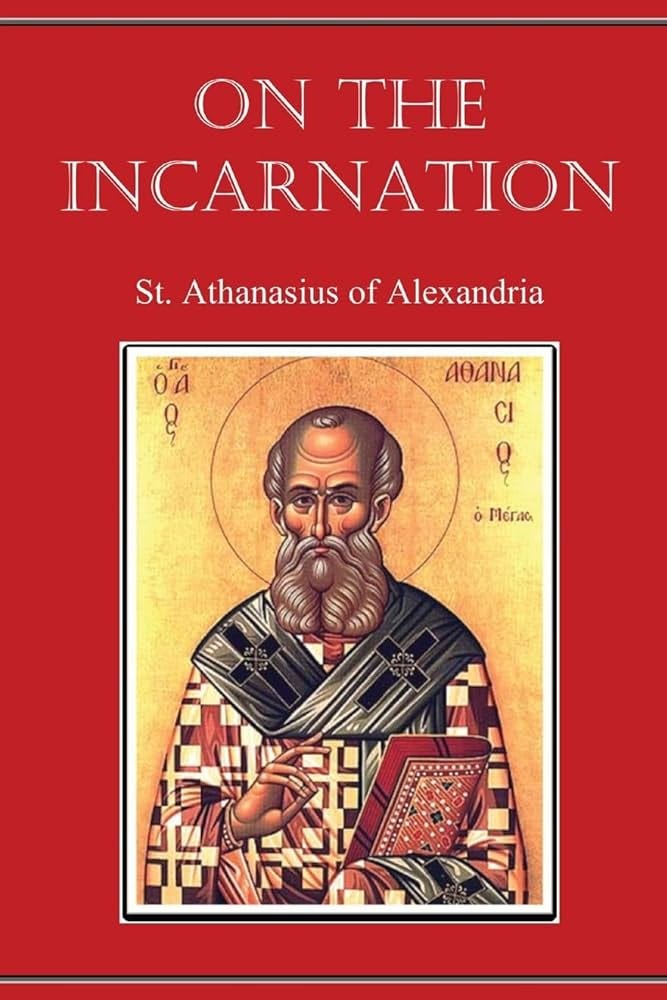
Everything else on this list can drift without this one. Athanasius wrote it young, under pressure, against men who wanted to shrink the Son into something manageable. He did not let them.
Short. Dense. Irreplaceable. Read it before the strategy books cloud your vision. Read it after, to recalibrate. The Christ-test lives here.
5. George Orwell — 1984
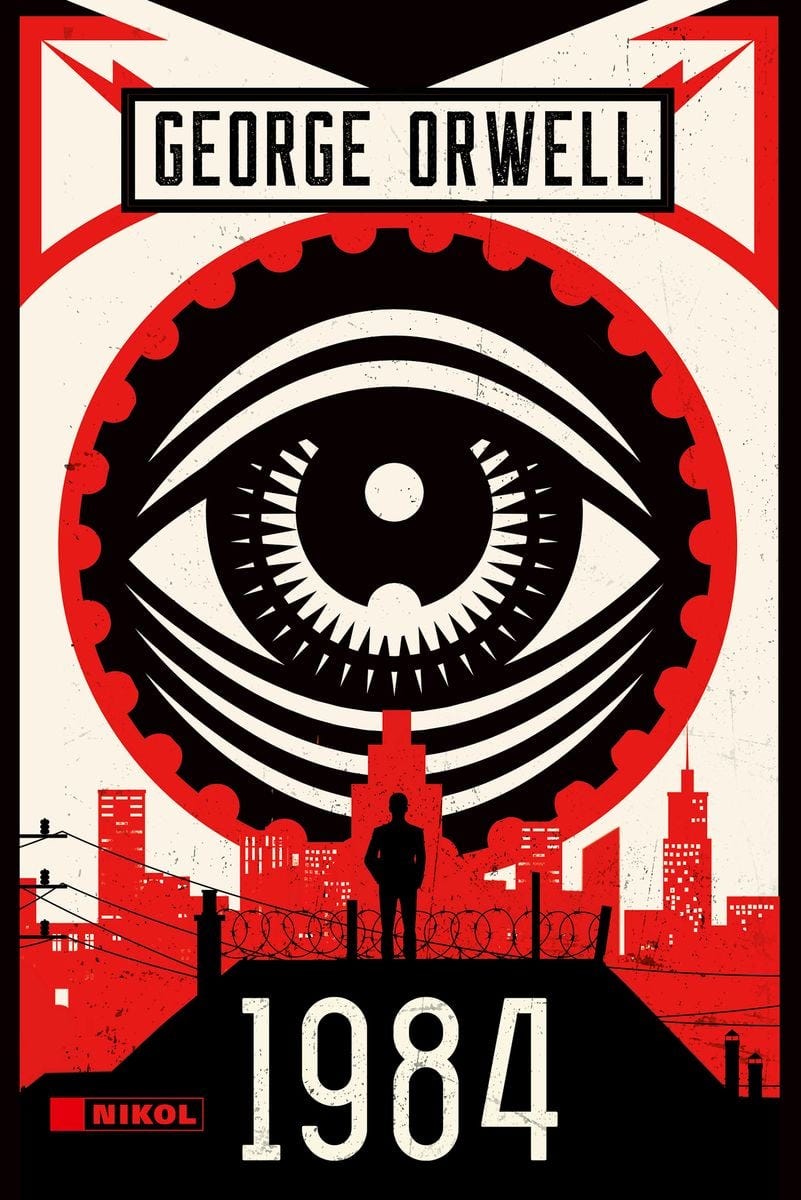
Read it as a field manual, not fiction.
Orwell mapped the mechanics of ideological control — the rewriting of history, the narrowing of language, the manufacture of consensus. He was describing a warning. Certain institutions have been reading it as a blueprint.
The man who cannot see the frame cannot break it. See the frame.
6. Robert Greene — 48 Laws of Powe
Read it as a warning.
Every law in this book is being run on someone right now. Possibly on you. Greene did not invent these moves but he catalogued what ambitious men have always done. The naive Christian calls this book evil and puts it down. The wise Christian reads it twice and knows what is coming before it arrives.
Innocence is not ignorance. Innocence is knowing exactly what is happening and choosing not to do it.
7. Chesterton — The Everlasting Man
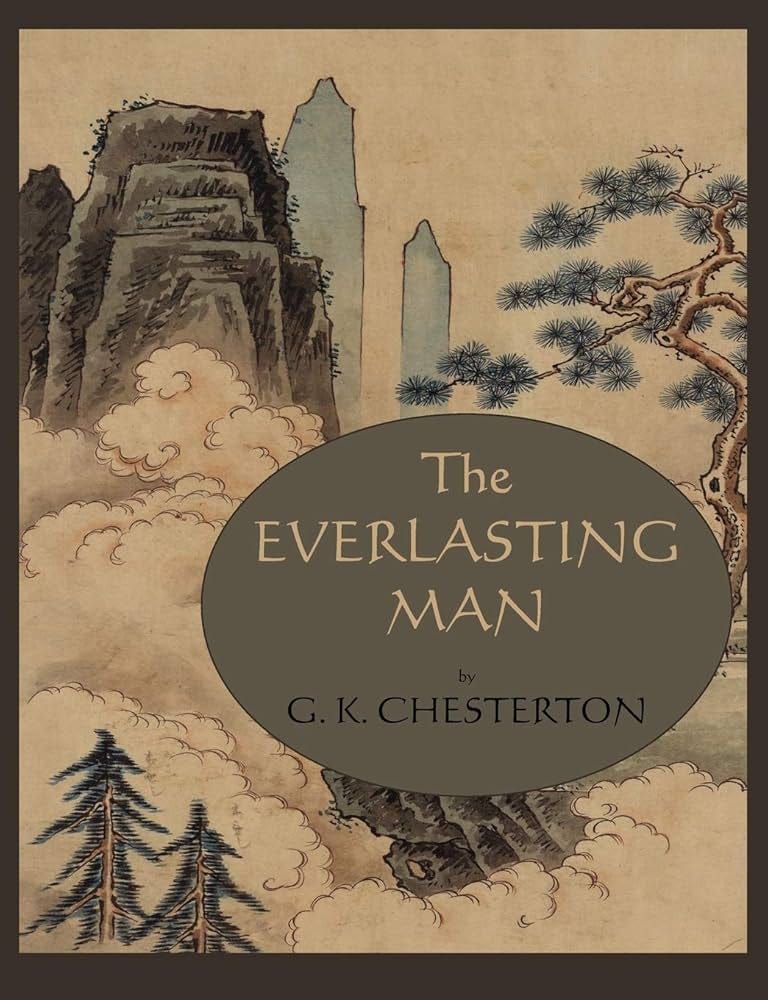
The sharpest philosophical mind of the modern era making the case that Christ is not one option among many.
Chesterton approaches Christianity from the outside, as a historian, a logician, a man who looked at the whole arc of human civilization and found only one thing that explains the shape of it. This is not an emotional argument. It is structural. It holds weight.
Give it to the skeptic in your life. Give it to yourself on the days doubt sounds reasonable.
8. Saul Alinsky — Rules for Radicals
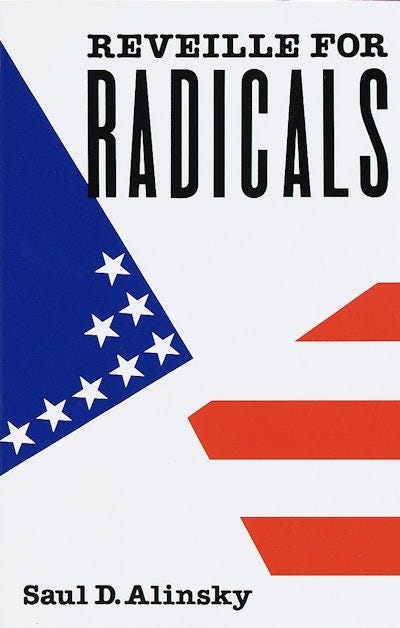
A wise Christian reads enemy doctrine.
Alinsky’s playbook has been used to destabilize institutions, communities, and minds. The dedication alone tells you what spirit animates it. Read it anyway. To recognize it when it is being deployed around you, in your city, in your church, in your feed.
The man who has never read it cannot name what he is watching. You should be able to name it.
9. Neil Postman — Amusing Ourselves to Death
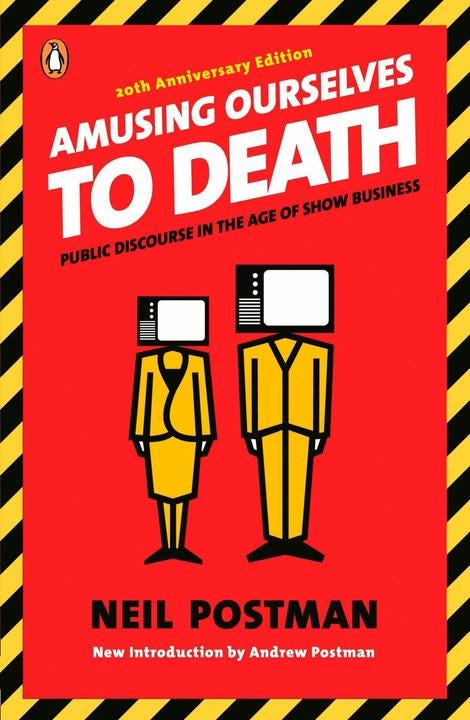
Orwell feared those who would ban books. Postman feared something quieter, a world where no one wanted to read them.
He wrote this in 1985 watching television reshape public consciousness. The mechanism he described has only accelerated. The screen does not need to lie to you. It simply needs to keep you entertained long enough that the deep things stop feeling urgent.
This is the book that explains why the list you are reading right now feels difficult to most people.
10. Viktor Frankl — Man’s Search for Meaning
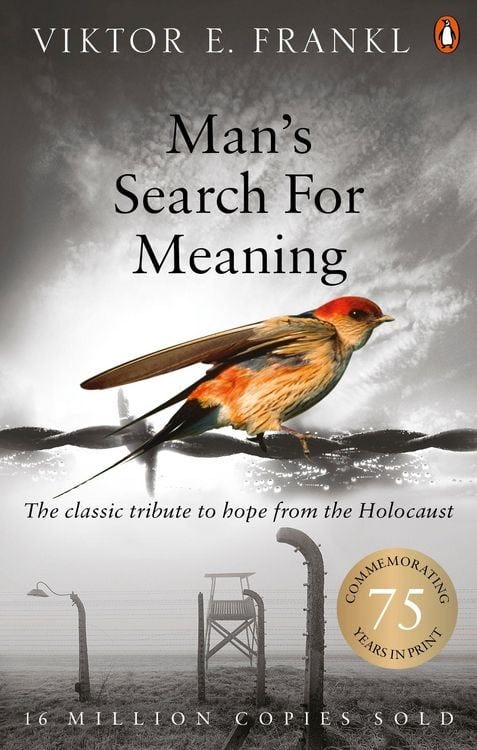
What holds when everything is stripped.
Frankl survived the camps. He came out the other side with a testimony, that meaning is the last freedom no external force can touch. He was not writing as a Christian. But he was writing toward something the Christian already has a name for.
Read it to understand what you are made of. Read it to understand what the people around you are searching for. Then point them to the source Frankl could only gesture at.
Be difficult to corrupt and difficult to fool.
More at [kingdomcodearchive.com]. Support the work on [Patreon].
Ephesians 5:11 is my mantra.
How can we stand against the dark spirits unless we know their tactics ?
But be wary not to look too far into the abyss in case you fall in.
Excellent list of books. I have read 3