
Neither the Planter Nor the Waterer Is Anything
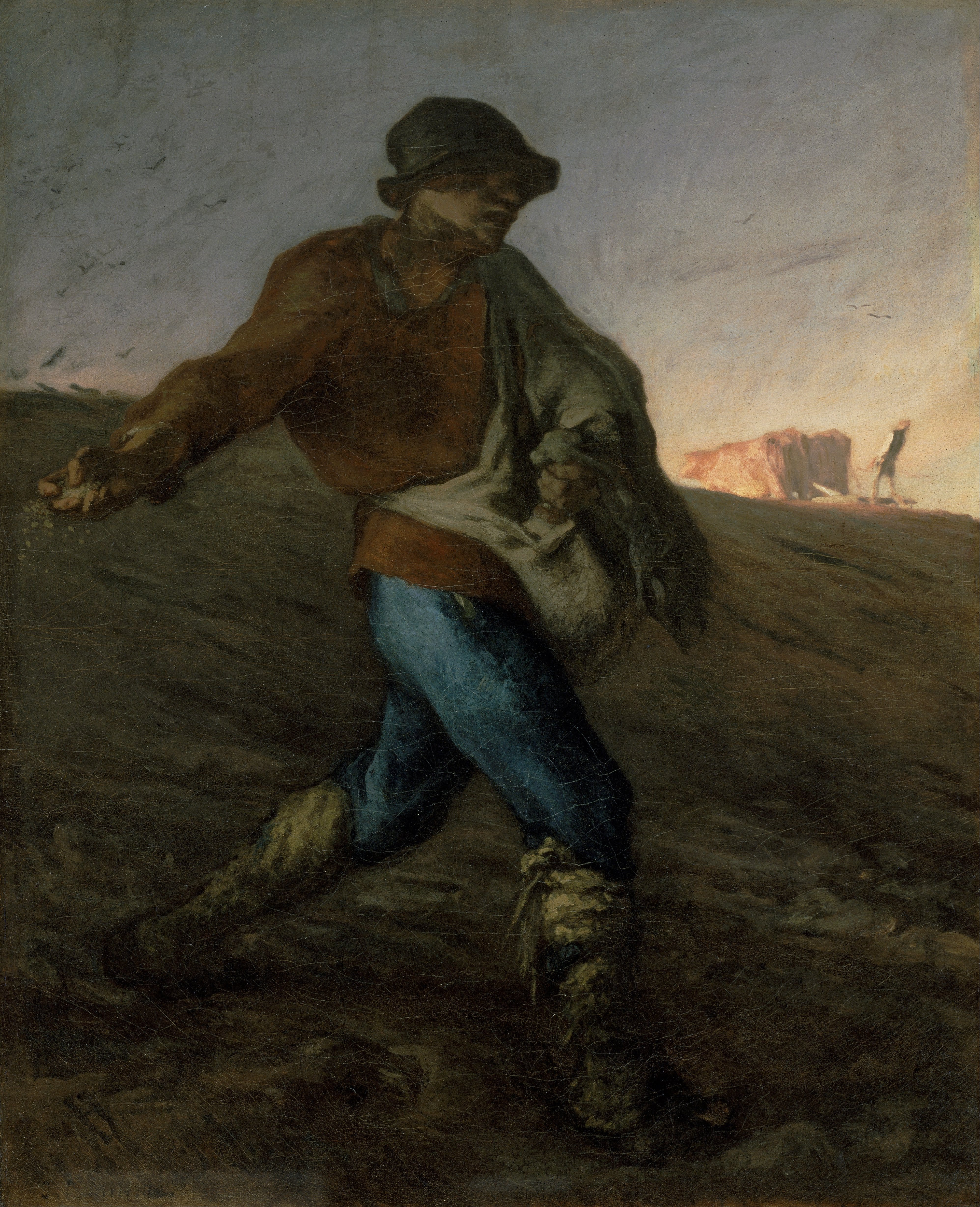
1 Corinthians 3:6-7
“I planted, Apollos watered, but God gave the growth. So neither he who plants nor he who waters is anything, but only God who gives the growth.”
Corinth, sometime between 53-55 AD.
Paul is in Ephesus, about 250 miles across the Aegean Sea from the church he founded three years earlier. He receives a report: the Corinthian assembly is fracturing along lines of teacher allegiance.
The division isn’t subtle. Paul quotes their slogans back to them: “What I mean is that each one of you says, ‘I follow Paul,’ or ‘I follow Apollos,’ or ‘I follow Cephas,’ or ‘I follow Christ’” (1 Corinthians 1:12).
Corinth was a Roman colony and major commercial hub. Sophisticated. Wealthy. Competitive. The culture prized eloquence, status, winning arguments. Mystery religions competed for followers. Philosophical schools built reputations on their founders’ brilliance.
The Corinthian believers imported that framework into the church.
Some aligned with Paul, the founder who spent eighteen months establishing the community. Others preferred Apollos, described in Acts as “eloquent” and “competent in the Scriptures.” Still others claimed Peter, the pillar apostle who walked with Jesus. And a fourth group claimed to follow Christ alone, though whether this was genuine humility or spiritual one-upmanship remains debated.
The result: the church was comparing ministers and dividing over who deserved credit for their existence as a community.
Paul writes to dismantle the entire framework.
What Paul Did Instead
Paul could have pulled apostolic rank. He could have reminded them of his suffering, his authority, his direct encounter with the risen Christ.
Instead, he uses agriculture.
“I planted”—Paul brought the gospel to Corinth. Hard, costly, foundational work. He’s stating fact, not being falsely modest.
“Apollos watered”—After Paul left, Apollos arrived and “greatly helped those who through grace had believed.” Different gifting. Different timing. Same gospel. Watering is distinct from planting but equally essential. The seed dies without it.
“But God gave the growth”—Here Paul destroys the Corinthian framework. Both did real, crucial work. Neither produced the actual result.
The Corinthian church exists not because Paul was an exceptional planter or Apollos a superior waterer, but because God caused the increase. The transformation of hearts, the regeneration of the spiritually dead, the creation of faith where there was unbelief, that was never in human hands.
The Corinthians were asking the wrong question: Which minister is most effective?
Paul reframes: Effectiveness isn’t the category that applies to what you’re measuring.
Consider actual agriculture. You can evaluate a farmer’s work. Did he prepare soil properly? Sow at the right depth? Water adequately? But you cannot measure his skill by whether crops grow. Growth depends on factors outside his jurisdiction: soil composition, weather patterns, the biological processes embedded in the seed itself. Time.
A farmer cooperates with natural processes. He cannot manufacture them.
The Corinthian divisions were absurd because they credited humans for what only God could do, then argued over which human deserved more credit.
Paul’s response: You’re fighting about jurisdiction that was never yours.
The Modern Version
We’ve lost the experiential knowledge Paul’s audience had.
Most modern people don’t farm. We buy food from stores supplied by industrial agriculture systems designed to eliminate variables. We’ve been trained to think in terms of inputs and outputs: apply the right resources, execute the right process, get predictable results.
This mindset infects everything.
Pastors measure faithfulness by attendance metrics, baptism counts, giving trends. When growth slows, the immediate assumption is we’re not doing enough. Add more programs. Optimize everything. The implicit belief: if we execute correctly, we can force the results.
Entrepreneurs plant ideas. They water with consistent execution. Growth plateaus. Panic sets in. So they violate capacity, ignore warning signs, force expansion the foundation can’t support. Eventually it collapses, not from insufficient effort, but from trying to control what they couldn’t control.
Creators publish faithfully. Quality work. Genuine insight. Audience grows slowly. Then someone shows them the person who “went viral in 30 days.” Suddenly faithful planting feels like failure. So they chase algorithms, compromise voice, manufacture controversy. The growth they wanted doesn’t materialize. But the integrity they had disappears.
Parents invest years. Teaching, modeling, praying. Kid hits adolescence and makes destructive choices. The parent immediately assumes I failed. So they control harder, manipulate more, refuse to let the process unfold. The relationship fractures, not from insufficient love, but from trying to produce results only God can cause in another person’s heart.
Same pattern across every domain: humans attempting to control what only God can cause, then measuring their worth by outcomes they were never meant to produce.
“Is Anything”
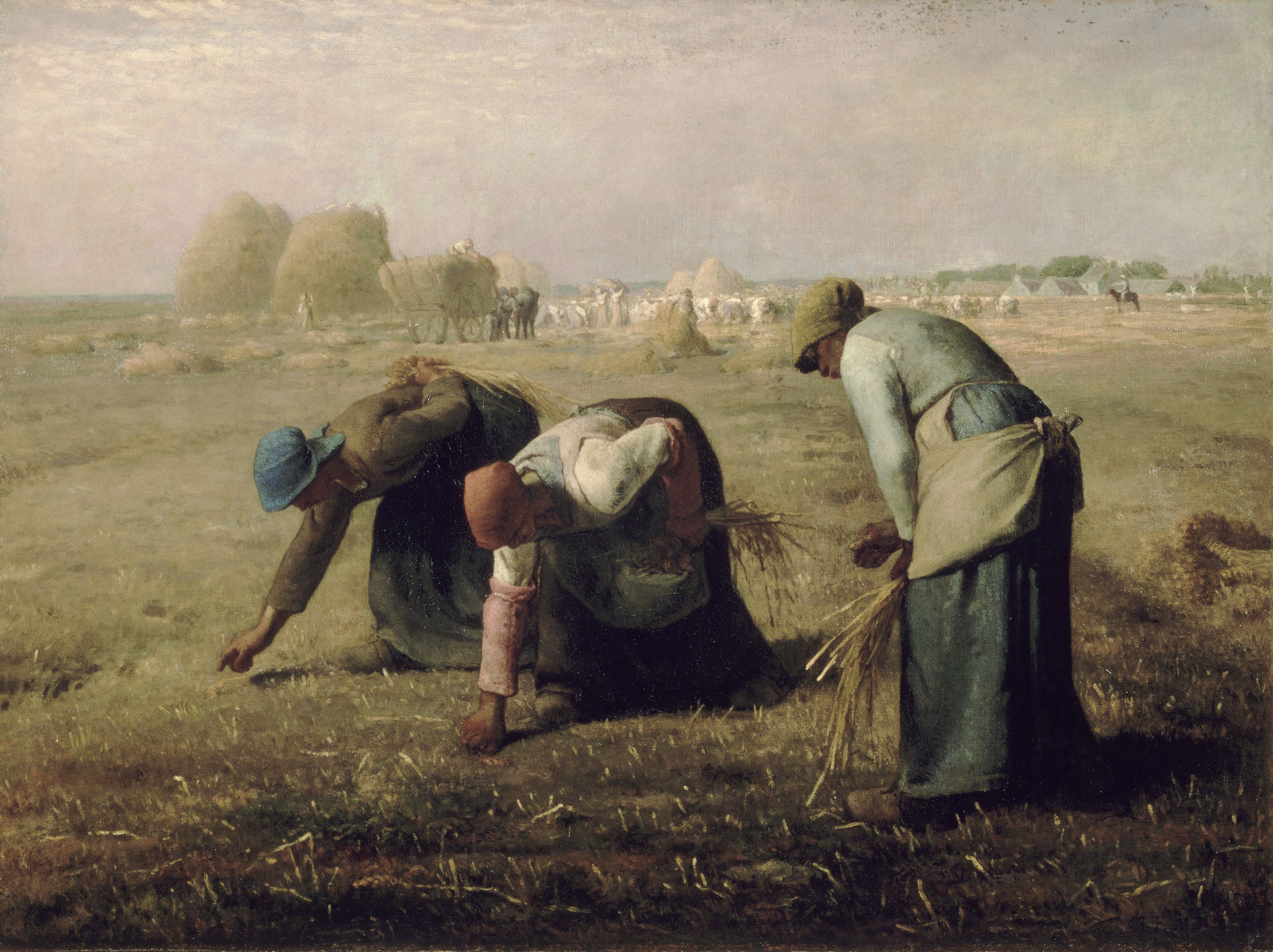
“So neither he who plants nor he who waters is anything, but only God who gives the growth.”
That phrase, “is anything” makes modern readers uncomfortable. It sounds dismissive of human effort.
But Paul just spent two verses affirming that planting and watering matter. He’s making a jurisdictional claim: human effort is not the causal mechanism of growth.
The planter doesn’t make the seed germinate. The waterer doesn’t manufacture the biochemical processes that turn minerals into fruit. They create conditions. They cooperate with existing design. But the life itself comes from God.
This should be liberation.
You are not responsible for outcomes you cannot control. You are responsible for faithfulness in the assignment you’ve been given. Do that work with integrity, honor the season you’re in, then trust God with what only He can produce.
The farmer who tries to cause growth through sheer force of will doesn’t get a bigger harvest. He gets exhaustion, burnout, and damaged soil.
But this isn’t a formula.
Honoring seasonal rhythm doesn’t guarantee your project succeeds. It guarantees you operated according to design instead of extraction. Job lost everything while remaining righteous. Joseph spent years in prison for obedience. Paul planted churches that later collapsed.
Faithfulness is not a mechanism for controlling outcomes. It’s submission to God’s sovereignty over outcomes you were never meant to control.
The difference matters. Miss it and you’ll turn this passage into another productivity hack, one that promises results if you just “trust correctly.” That’s the same Corinthian error wearing different clothes.
The Release
You know what functional atheism feels like. The tightness in your chest when the numbers don’t move. The 2am calculations: If I just work harder, if I optimize more, if I give it everything... The slow erosion of sabbath, of margin, of the boundaries that were protecting you. The creeping belief that rest is laziness disguised, that sustainable pace is lack of commitment.
Paul’s framework exposes this. And offers something better.
Freedom from the tyranny of measurable outcomes.
You don’t have to control what you can’t control. You don’t have to manufacture what only God can produce. You don’t have to panic when growth slows because you were never the source of growth in the first place.
The Corinthians enslaved themselves to comparison, competition, measuring, performance. Paul offered them exodus: Stop trying to be God. Do your work. Trust His timing. Release jurisdiction over what was never yours.
The Difference
Faithfulness is:
Planting when it’s planting season. Watering when it’s watering season. Resting when it’s fallow season. Harvesting with gratitude when it’s harvest season. Refusing to take credit for what only God produced. Refusing to take blame for what only God can cause. Trusting God’s timing instead of forcing your own.
Faithfulness is not:
Constant output regardless of season. Forcing growth through sheer effort. Measuring obedience by visible results. Panicking when increase slows. Grinding yourself into breakdown to demonstrate dedication. Comparing your harvest to someone else’s.
The farmer who plants skillfully and waters consistently, then trusts the process embedded in creation, that’s covenant alignment.
The farmer who plants frantically in every season, waters compulsively even when rain is falling, digs up seeds to check if they’re growing yet, measures his worth by yield he doesn’t control, that’s Babylonian extraction wearing the mask of faithfulness.
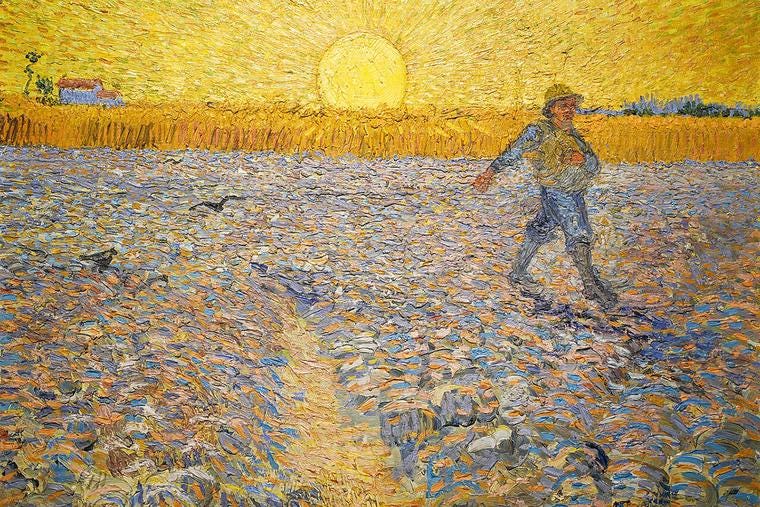
“Neither he who plants nor he who waters is anything, but only God who gives the growth.”
This isn’t pessimism about human effort. It’s precision about jurisdiction.
Do your work. Do it excellently. Do it in the season you’re actually in. Then trust the One who designed the entire process to do what only He can do.
Paul planted Corinth. Apollos watered. God gave the growth. The church existed not because of superior human technique but because God caused the increase.
You plant your work. You water it faithfully. God gives whatever growth He intends. And whatever He’s building through your obedience will stand, not because you were effective enough, but because He is faithful.
Stop trying to be God.
Your job: faithfulness in season.
God’s job: everything else.
Trust the difference.
Brilliant exposition on this teaching. 👏
At ease.... not effort.
‧₊˚ ⋅🌿🌱𓂃 ࣪ ִֶָ.
This part from your article:
_____________________________________________________________________
But Paul just spent two verses affirming that planting and watering matter. He’s making a jurisdictional claim: human effort is not the causal mechanism of growth.
The planter doesn’t make the seed germinate. The waterer doesn’t manufacture the biochemical processes that turn minerals into fruit. They create conditions. They cooperate with existing design. But the life itself comes from God.
____________________________________________________________________________
This aligns with what I been feeling lately.
xoxox
MM